
– Environment –

Tervuren, Green Oasis
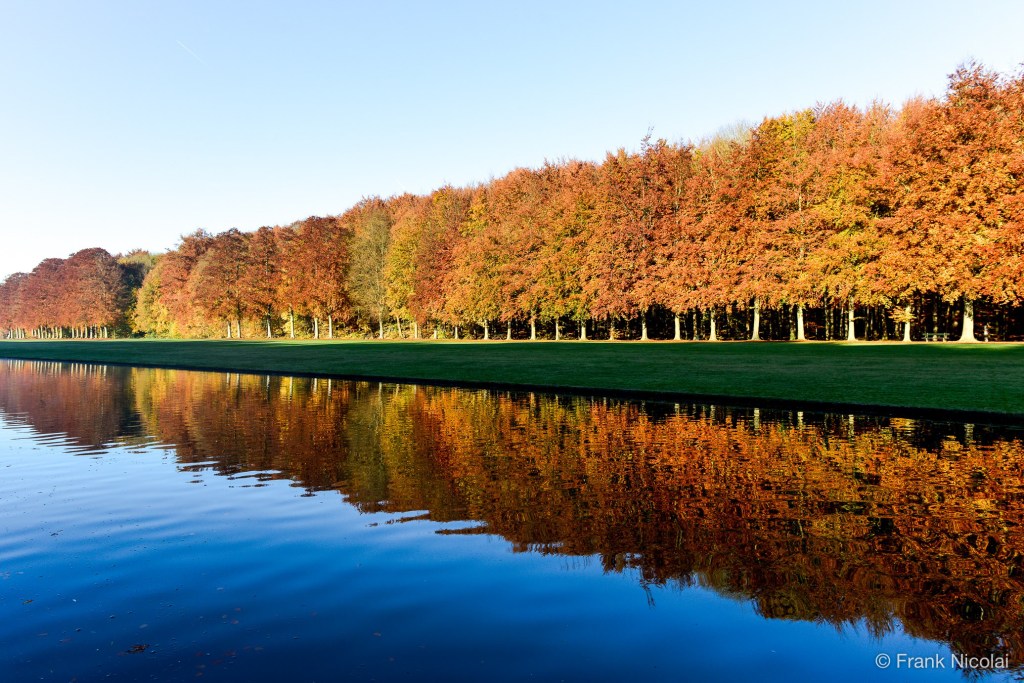
Tervuren is like a green oasis, strategically located between Brussels and Leuven. The municipality is surrounded by the ancient Sonian Forest, the vast Arboretum with tree species from all corners of the world, the historic Park of Tervuren and the rolling fields between Tervuren and Huldenberg.
Where one meets between nature and silence.
Sport
Fancy something more active? Follow a golf initiation or play a relaxing game of tennis between meetings.Torii is the ideal base for those who want to combine sport and relaxation with focus and reflection.
Within walking distance are the Blue Lions sports centre and the Duisburg Golf, where you can play tennis, padel or hit a ball between meetings. If you prefer to get out into nature, you will find the perfect getaway in the Arboretum, the Sonian Forest or the Park of Tervuren – for a refreshing walk, an inspiring bike ride or just fresh air and new ideas.
Torii as a starting point for movement and balance.
History
The area around Torii breathes history. For centuries, this was the hunting grounds of the dukes of Brabant.In the 18th century, Karel van Lorreinen had the park, known as the Warande, surrounded by a monumental brick wall with no fewer than ten entrance gates.
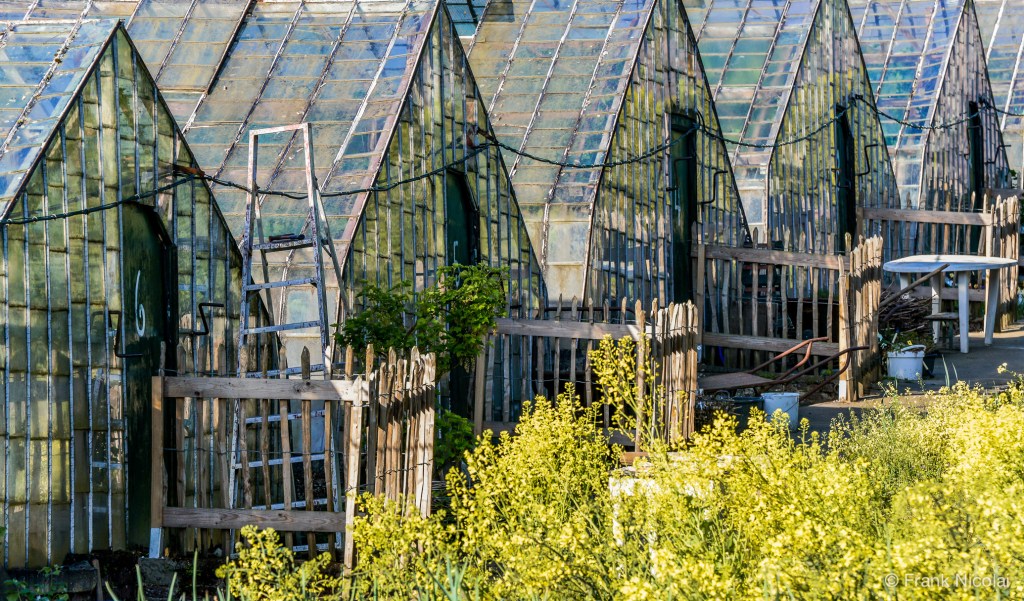
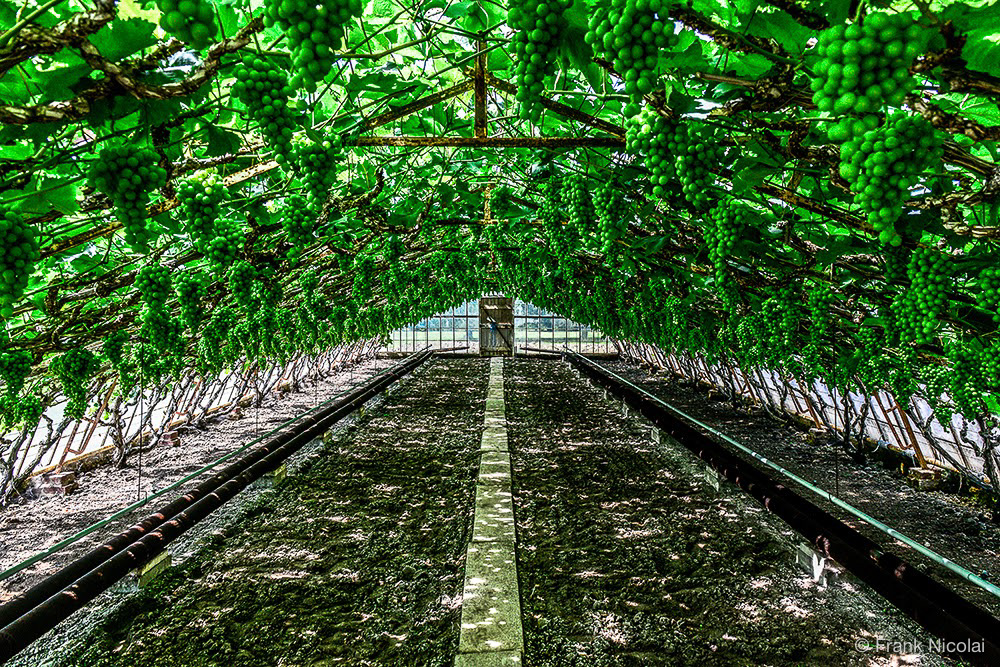
Within walking distance of Torii are four of these historic passageways, each with its own story. Afterthe Battle of Waterloo in 1815, the domain was given to Prince William-Frederik of Orange, who had aclassicist pavilion built there for his family . His warhorse Wexy grazed on the site where Toriiis located. At the end of the 19th century, the first grape greenhouses appeared in the region around Tervuren.
Not coincidentally, this region was later nicknamed ‘the Grape Region’, a landscape of glass villages, bathedin light. An impressive ensemble of greenhouses also once stood on the spot where Torii is located today. What used to be a bastion of artisanal grape growing is now a place for growth of a different kind: clarity, focus and vision.
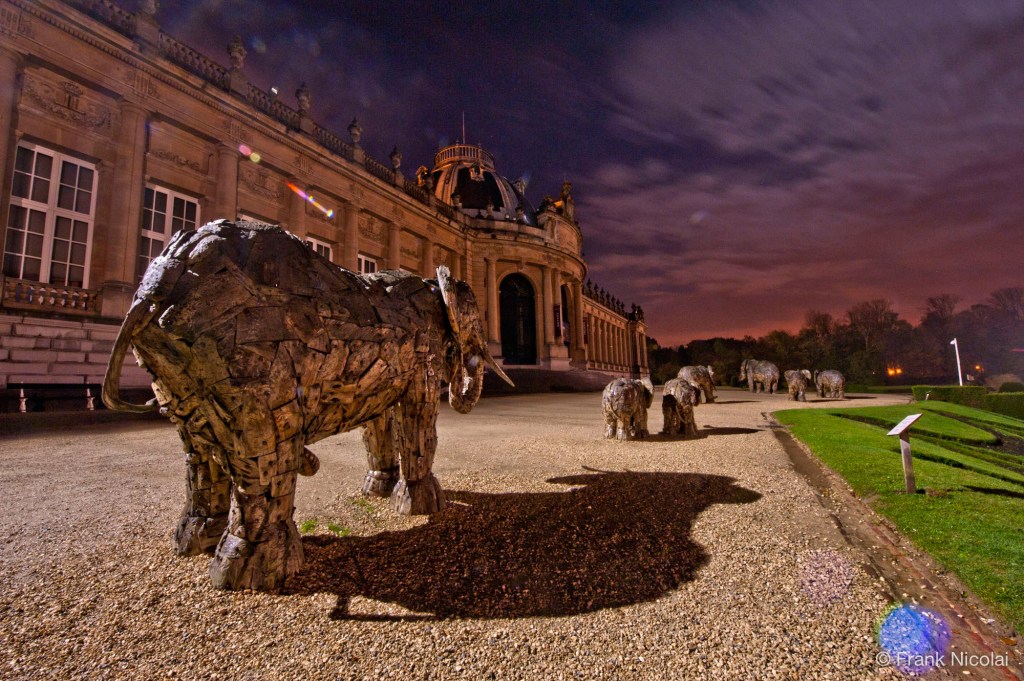
In the early 20th century, King Leopold II had the imposing Africa Palace built for the Colonial Exhibition of 1897. This palace, designed by French architect Alfred-Philibert Aldrophe, now houses the Royal Museum of Central Africa.
Torii has a soul filled with history and heritage.
Art
Historical Art
In the 19th century, Tervuren was the beating heart of the School of Tervuren – a painting movement closely related to the French en plein air painting of the Barbizon School, and later the Impressionists.
Artists such as Hippolyte Boulenger, Joseph Coosemans and Lucien Frank found inspiration here in the light, the forest and silence. They brought nature to canvas with a freedom and intensity that can still be felt today. That artistic spirit lives on. A new museum, entirely dedicated to this painting and its heritage, is currently being developed in the former Panquin Barracks.
Great names left their mark in the 20th century, too. Christian Dotremont, co-founder of the Cobra movement, and Roger Somville found space for expression and experimentation here. Tervuren is also home to La Nouvelle Maison, the iconic modernist residence of designer and architect Henry Van de Velde – a silent witness to vision, form and innovation.
Contemporary Art
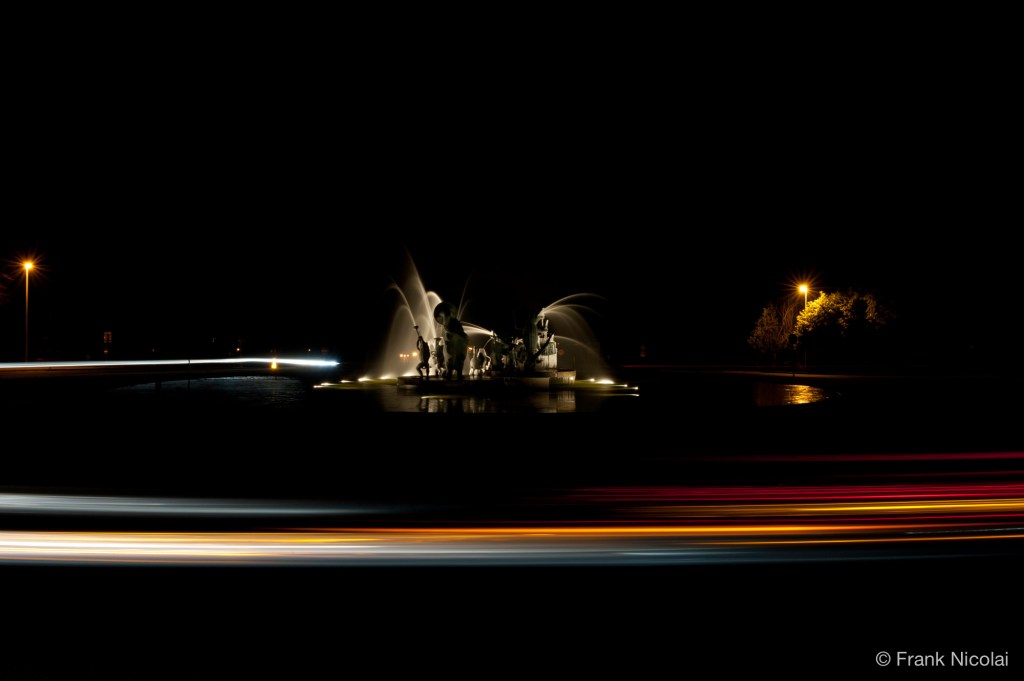
Torii not only carries art history. Torii also breathes contemporary art. The owner is a photographer and visual artist, and the entire house acts as a subtly curated gallery. Each room is decorated with photographic series depicting the surroundings, each with a thematic slant that invites reflection.
For example, you will discover:
- De Serres van de Druivenstreek – an ode to the glass landscape of yesteryear
- Tervuren Nocturnes – nocturnal portraits of iconic places, shrouded in silence and shadow
- Tervuren 4 x 4 – a visual journey through the nature of Tervuren, viewed through four seasons, four wind directions, four municipalities and the four elements.
- In addition, African art also finds its place, with both traditional and contemporary work. This creates a dialogue with the nearby Africa Museum, literally bringing the world in.
Torii is a place where art and reflection come together.
 Meet.Connect. Learn. Reflect.